
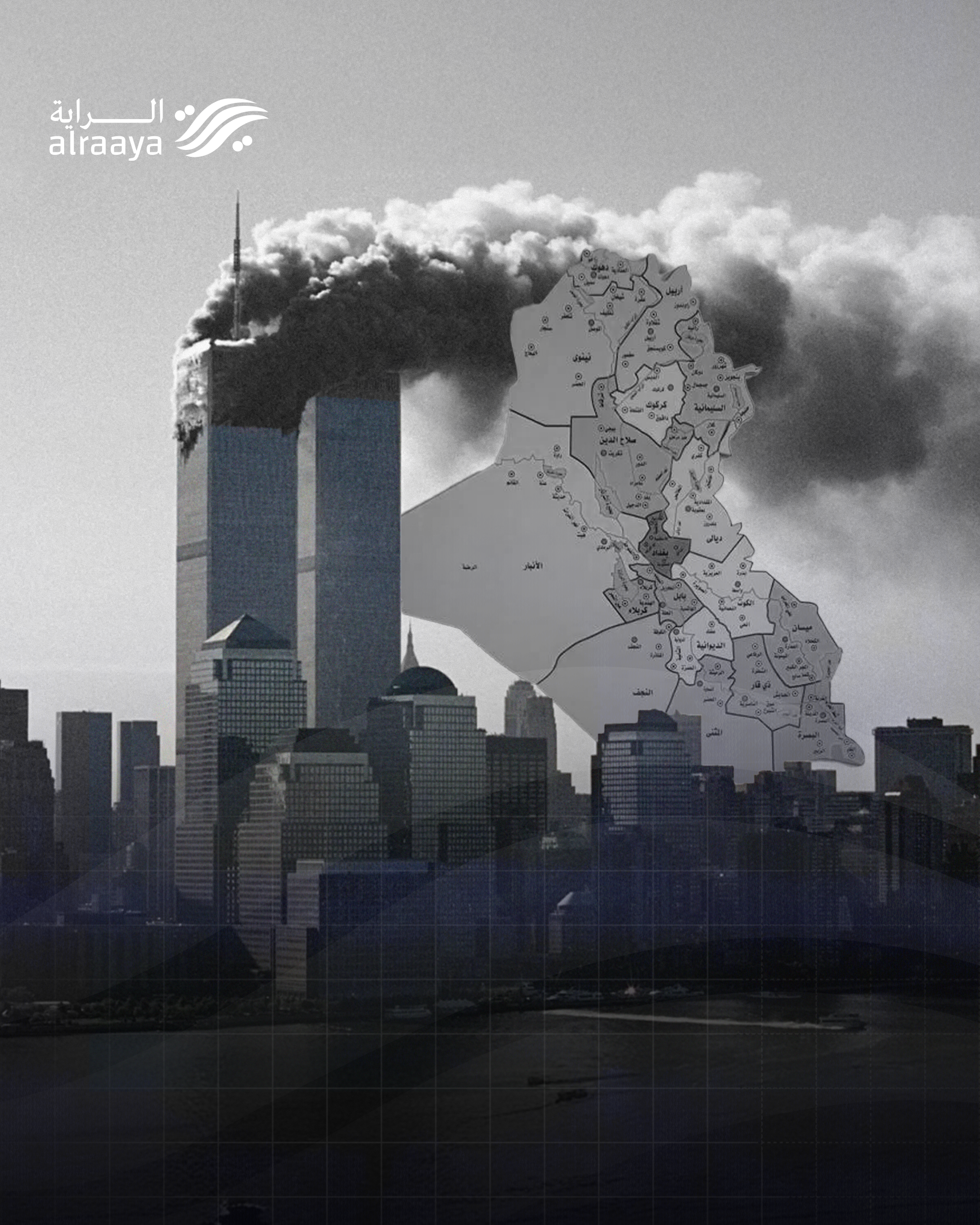
On the morning of September 11, 2001, the world began its day with a normal routine, but a few minutes turned this routine upside down. Four simultaneous attacks targeted the United States, most notably the collision of two planes into the World Trade Center towers in New York, and a third attack on the headquarters of the US Department of Defense in the Pentagon, while the fourth plane crashed after passengers resisted an attempt to target a fourth target. These events were a shocking moment, leaving humanitarian, political and economic impacts that continue to this day.
Hundreds of thousands of people watched the moments of the collapse of the towers live on television, and saw how the clear sky of New York turned into smoke and ash. These attacks left more than three thousand dead and thousands injured, and sparked a wave of grief and fear, not only in the United States, but throughout the world. The concepts of security and stability are no longer what they were before that day.
On the political level, events imposed themselves on governments' agendas with unprecedented speed. The United States redefined the concept of national security and initiated new strategies to combat what it called “cross-border threats.” International alliances have undergone transformations: some countries have moved closer to Washington in the areas of intelligence and security, while others have reconsidered their foreign policies, influenced by global concern about terrorism.
The economic repercussions were also immediate and clear. Financial markets witnessed strong tremors, the aviation sector faced huge losses, while insurance companies completely re-evaluated their policies. The infrastructure of airports, ports and public services has witnessed unprecedented security upgrades, and internal security has become a priority in all sectors.
On the human and social level, the changes were not limited to the United States only. Societies' perceptions of risk have shifted, and personal safety and surveillance have become part of everyday life. The events also affected policies related to immigration, border controls, and laws against cross-border crimes, making the whole world more closely linked to the issue of collective security.
The impact of September 11 on Iraq
Iraq was one of the countries most affected by the international transformations after the events of September 11. The attacks opened the door to new global policies, including military and political movements in the Arab region. During the following years, Iraq witnessed major international interventions, an escalation in internal tensions, and a direct impact on its political and social stability.
The attacks also resulted in changes in the way international powers dealt with Iraq, whether in terms of security or economics, which was reflected in the daily lives of citizens and increased the political divisions that continued for years afterward.
Iraq has become part of international policy conversations and agendas related to combating terrorism, securing resources, and rebuilding, making it the focus of many geopolitical transformations in the Middle East.
Today, as we remember this event, we remember it not only as a tragic memory, but as a reminder of the importance of unity and international cooperation in facing cross-border challenges, and that a single moment can reshape the entire world for many years. It is a call to reflect on how we deal with risks, and how nations can cooperate for a safer and more stable future.
September 11 is not just a tragic date, but a page in global history that indicates that major events may change the course of the entire world, and that learning from the past is the way to ensure a safer and more stable future for all of humanity.