

In light of the economic challenges facing Iraq, retirees find themselves in the midst of a crisis related to the delayed disbursement of their salaries. These salaries, which represent a basic source of income for a large segment of society, have become a source of constant concern, as their delay raises questions about the efficiency of public financial management and the state’s ability to fulfill its obligations. While official authorities confirm that the problem is technical and temporary, economic experts believe that the danger goes beyond mere delay, and constitutes a reflection of broader structural crises related to heavy reliance on oil revenues and poor distribution of resources.
Between official statements and field reality
The Ministry of Finance confirms that the delay in disbursing retirees’ salaries is due to purely technical reasons related to exchange systems and bank transfers, while stressing that the funds are “secured and pre-allocated within the general budget.”
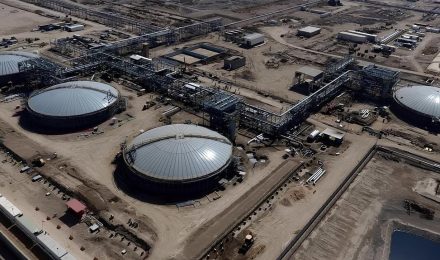
On the other hand, observers point out that the crisis reflects a lack of liquidity in the public treasury, as a result of the government’s almost complete dependence on oil revenues.
This view is supported by economists from the World Bank, who point out that sole dependence on oil makes revenues vulnerable to global market fluctuations, threatening the stability of regular salary payments.
A crisis that may involve everyone
The problem of delayed salaries is no longer limited to retirees only, but rather extends to all state employees in Iraq.
Economists point out that the delay reflects a structural crisis in public finances, resulting from the heavy reliance on oil revenues and their fluctuations, in addition to weak liquidity in the treasury.
Observers have warned that the continuation of this situation may lead to broad economic and social impacts, including disruption of the financial stability of Iraqi families and loss of confidence in government institutions.
Questions and fears
يطرح تأخر الرواتب تساؤلات حول قدرة الحكومة على الوفاء بالتزاماتها تجاه المتقاعدين، وتخوفات من أن تصبح هذه الظاهرة شبه دائمة. Concerns include:
• Higher living burdens on retirees who depend entirely on these salaries.
• The possibility of escalating social and economic pressures in the event of repeated delays.
• The impact of the crisis on public confidence in government financial and administrative institutions.
Official assurances
In an attempt to calm the situation, the Ministry of Finance announced that it is working to prepare and prepare the financial liquidity necessary to disburse salaries, stressing its commitment to disbursing salaries as soon as possible, and gave a deadline for disbursement during the days of next week.
The Ministry also indicated that measures were being taken to ensure the smooth flow of payment in the future, while developing exchange and bank transfer systems to avoid technical malfunctions.
Warning against exploiting the crisis electorally
The Ministry of Finance warned against exploiting the issue of delayed payment of salaries in political campaigns or using it as a tool for projection in light of the upcoming elections.
The Ministry confirmed that its work is “purely financial and administrative,” based on the budget and applicable laws, and is not subject to any political considerations.
While the government tries to offer reassurances, concerns remain real on the ground. Delayed salaries reflect structural financial crises that require urgent reforms, and put the government before a test of its ability to manage resources effectively and guarantee the rights of retirees and all state employees. The hope remains to implement sustainable solutions that will ensure that this crisis is not repeated and restore confidence in the state’s ability to fulfill its obligations.