
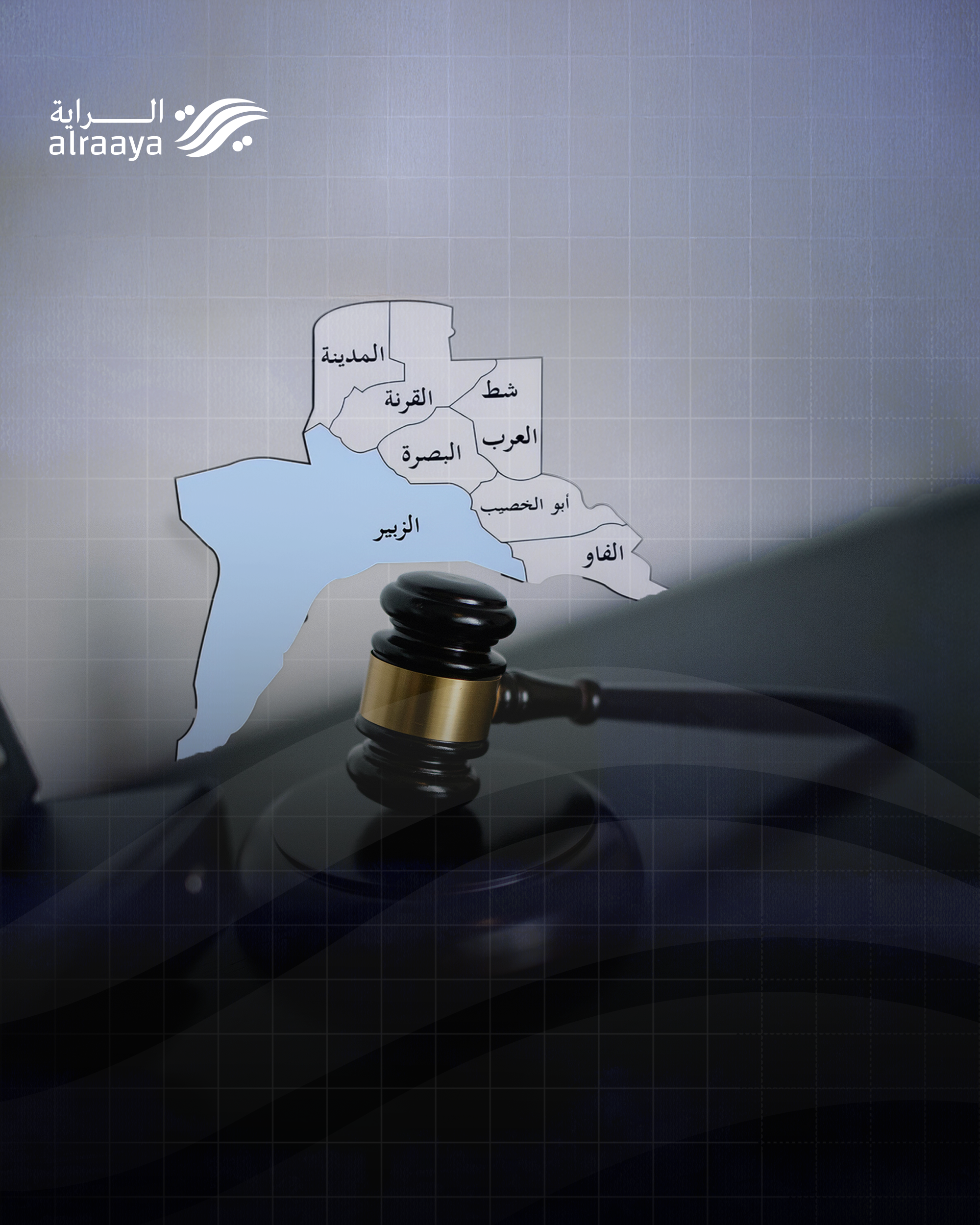
The file of converting the Zubair district into a governorate independent of Basra returned to the forefront again after a directive from Prime Minister Muhammad Shia al-Sudani to the Ministry of Planning to proceed with the necessary official procedures for the conversion. However, the directive was quickly canceled in a second letter issued less than 24 hours later, leaving the Zubair issue to remain pending, and opening the door to questions about the future of the project and its repercussions on the unity of Basra and Iraq as a whole.
Parliament opens the way for transfer
The file began in practice in March 2025, when the Presidency of the House of Representatives agreed to include the request to transform Al-Zubair into a governorate on its agenda, after a parliamentary campaign led by Representative Rafiq Al-Salhi. The request received more than 83 signatures from representatives, according to official documents, and in April the number of representatives supporting the proposal rose to about 100, which gave momentum to the request and opened the door for the government to study the legal, administrative and economic aspects of creating the governorate.
Explicit local rejection
The Governor of Basra, Asaad Al-Eidani, announced his categorical rejection of any step to divide the governorate, and said in official statements that “snatching Al-Zubair from Basra is like splitting the governorate into two halves, and this will not serve the residents or the local administration.”
The Basra Governorate Council also voted in extraordinary session No. 35 with a majority against the project, stressing that the time is not appropriate for such a step and that the governorate needs to strengthen its administrative unity and improve services instead of being preoccupied with divisive procedures that may harm the public interest.
Direction and cancellation
On September 9, 2025, the Sudanese Prime Minister issued a directive to the Ministry of Planning to begin the necessary procedures to create Al-Zubair Governorate, emphasizing that the step comes based on the representatives’ request and signatures.
However, this directive only lasted one day, as on Wednesday a new letter was issued by the Prime Minister’s Office completely canceling the previous directive and stopping any procedures related to it, which brought the file back to its starting point.
Al-Eidani responds again
In light of this development, the Governor of Basra, Asaad Al-Eidani, hastened to publish a press statement in which he downplayed the importance and impact that will result from the Prime Minister’s directive regarding the transformation of Al-Zubair district into a governorate. Al-Eidani stressed that Al-Zubair will always remain a part of Basra due to the absence of the legal tools required for separation.
The position of Representative Rafiq Al-Salhi
In response to the cancellation of the directive, MP Rafiq Al-Salhi stressed today, Wednesday, that the decision to retract “will not discourage the government” from achieving the goal of transforming Al-Zubair into an independent governorate.
Al-Salhi said in a press statement followed by Al-Raya: “We may lose a round, but we will not lose determination, and Al-Zubair will be a governorate,” stressing the continuation of efforts to complete the legal and administrative path for the project.
Legal and administrative barriers
Legal experts point out that creating a new governorate in Iraq requires several basic elements, including:
Issuance of a special law by the House of Representatives authorizing the creation and specifying administrative powers.
Federal government approval after comprehensive studies from the Ministry of Planning.
There is local consensus, which is currently absent due to the refusal of the Basra Council and the Governor.
Observers confirm that the Iraqi constitution did not establish clear provisions regarding the mechanism for dividing the governorates, which makes any attempt to create a new governorate complex and requires broad political consensus, which is what the Zubair file lacks so far.
Economic and political concerns
Economic impact
Economists warn that separating Al-Zubair from Basra may lead to “fragmentation of oil wealth,” as the district is considered one of the richest regions in Iraq in gas and oil, and separating it may confuse resource management and create disputes over revenues between the federal government and the new governorate.
Some experts estimate that the budget needed to develop the governorate, including infrastructure and the redistribution of human resources, may reach $200-250 million in the first three years, according to rough estimates.
Political influence
Observers believe that the creation of a new governorate may encourage similar demands in other governorates, which increases regionalism and threatens the unity of the state.
Administrative analysts point out that the costs of creating new departments and government institutions will burden the general budget, while the street demands improving services and developing the current infrastructure.
Population and resource figures
The population of Al-Zubair District is about 400,000 people, and it is home to a number of important oil and gas fields, in addition to a new port under development.
The indigenous population and the youth segment constitute the largest percentage of the local community, which makes any administrative change politically and socially sensitive.
Basra remains united
Despite the ongoing controversy, Al-Zubair remains an integral part of Basra, which maintains its administrative unity and partial stability.
Between the issuance and cancellation of the directive, and between the statements of Representative Al-Salhi and the position of Governor Al-Eidani, the file remains suspended, while the discussion continues about balancing development interests and resources with local and political ambitions, so that Al-Zubair’s future remains one of the most thorny files in the current Iraqi scene.
Administrative maps and future estimates
According to observers, any administrative division would require redrawing the borders between Basra and Zubayr, including defining areas of influence for the security services, distributing infrastructure resources, and integrating public services. Experts believe that any conversion project needs at least 5 years to complete the legal, administrative and financial arrangements, taking into account the interests of the local population and preventing disruption of major projects in Basra.