
At a time when Iraqis were waiting for the “services” government to launch an industrial revolution, or at least a development plan worthy of an oil-producing state, the Iraqi Council of Ministers surprised the country at the beginning of 2026 with a package of decisions that seemed closer to “liquidating stores” than to a reform policy.
An early announcement of intellectual bankruptcy, before it was financial. The reform compass in the office of Prime Minister Muhammad Shiaa al-Sudani has completely deviated, falling from the language of strategic projects to the logic of scrap and old car auctions.
The government... is an official junk dealer
Under the new decisions, the government began selling state cars that are more than 15 years old, while preventing them from being replaced or replaced. On the surface, the decision appears to be austerity, but in depth it is a direct disruption of the state’s joints.
How can we imagine institutions without transportation? How can service departments be asked to pursue citizens’ affairs without working tools, just because the government decided to “save” from its administrative pocket?
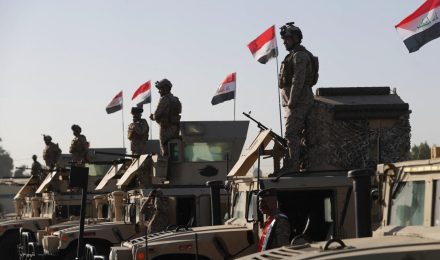
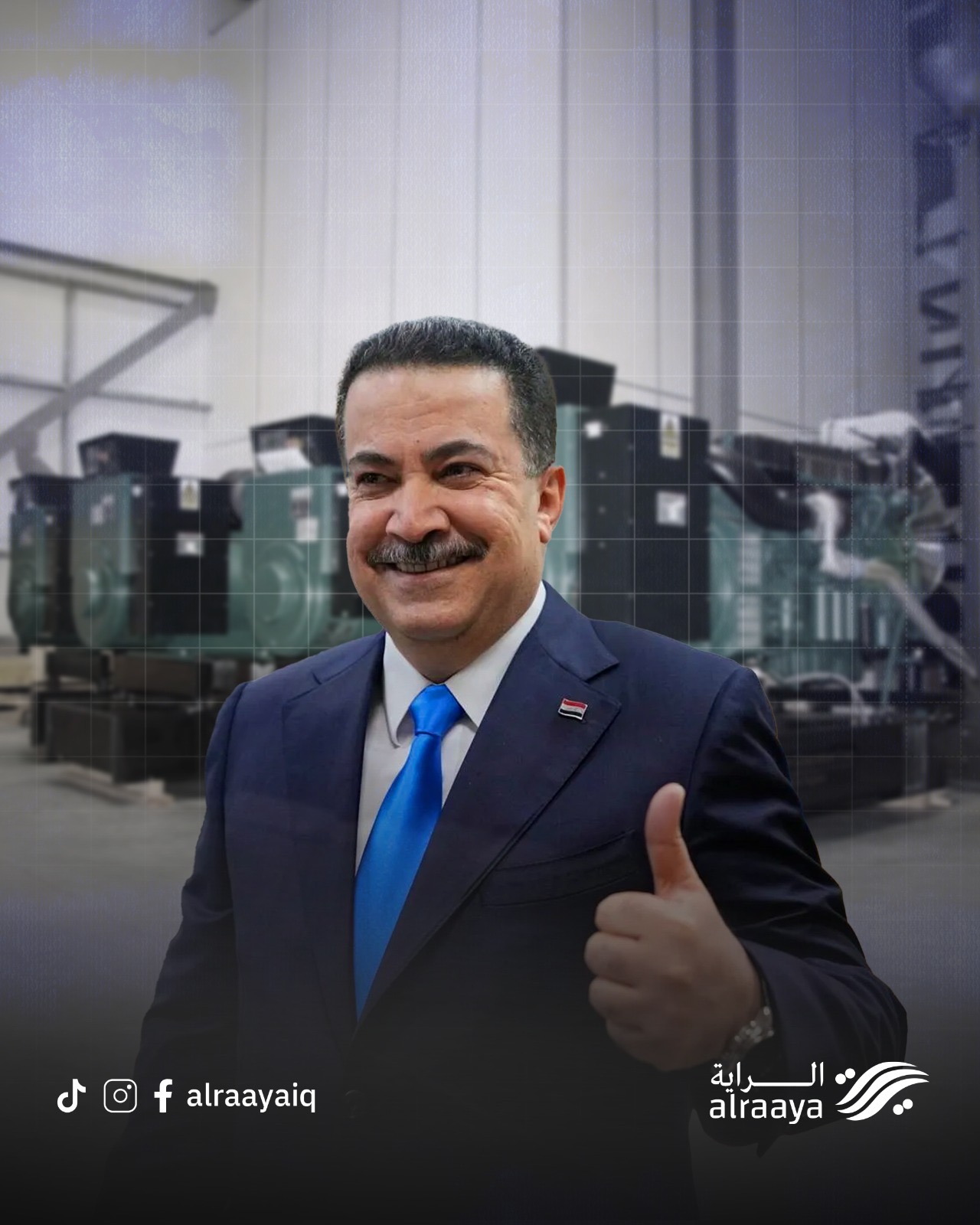
What is more dangerous than that is that the decision did not stop at cars, but rather affected construction machinery, generators, and equipment, under the title of “surplus or idle,” and instead of rehabilitating or repurposing them within an infrastructure plan, the government chose to play the role of auctioneer in the turmoil market, forgetting that these tools are not scrap, but rather the backbone of the field work of any self-respecting country.
Iraq's airspace... in exchange for lost fuel
With the stroke of a pen, fuel rations to ministries were reduced by 50%. The alternative is to switch to solar energy within six months! A decision that clearly reveals that whoever drafted it lives outside Iraqi geography.
In a country suffering from constant dust, the absence of renewable energy infrastructure, and administrative complexities in importing the simplest systems, the government is requesting a “global leap” of half a year.
The environment here is not the goal, but rather an excuse. The real goal is to export the remaining fuel, as if Iraq's financial crisis will be solved by deducting the share of a municipal vehicle or an ambulance.
The war on minds: the first testimony... an eternal destiny
As for the climax, it is the academic massacre committed by the decision related to certificates. Approving the certificate with which the employee was appointed “final,” and preventing the calculation of any higher certificate, is an official declaration to kill ambition. The government’s message seems clear: Do not study, do not develop yourselves, as the state does not want smarter employees, but rather calmer ones. Stopping scholarships and study leaves for five years is not a financial measure, but rather deliberate scientific desertification.
While the countries of the world compete to attract minds, Iraq closes the doors of knowledge, and shackles its employees to a low scientific ceiling, with narrow exceptions that are used only as a dusting of dust in the eyes.
Escaping from the crisis... into the pockets of employees
Instead of confronting whales, uncontrolled border crossings, organized smuggling, and salaries for special degrees, the Sudanese government chose the easier path: fuel, the car, the employee, the student.
This is not a solution, but rather a clear admission of inability: an inability to structure the economy, an inability to control corruption, and an inability to produce real solutions, so the choice was to “freeze administrative life” and prevent movement, transportation, and development.
What is happening is not reform, but a panicked contraction in which a state turns into a collection machine, selling its assets, imposing protection wages, stifling the ambition of its employees, and dealing with the crisis with the mentality of a bankrupt company that sells office furniture to pay the electricity bill.
The Sudanese government, which raised the slogan of “achievement,” today appears as if it is running a country without a vision, without a horizon, and without the courage to confront the real causes of the crisis.