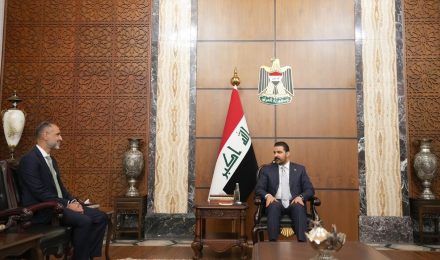

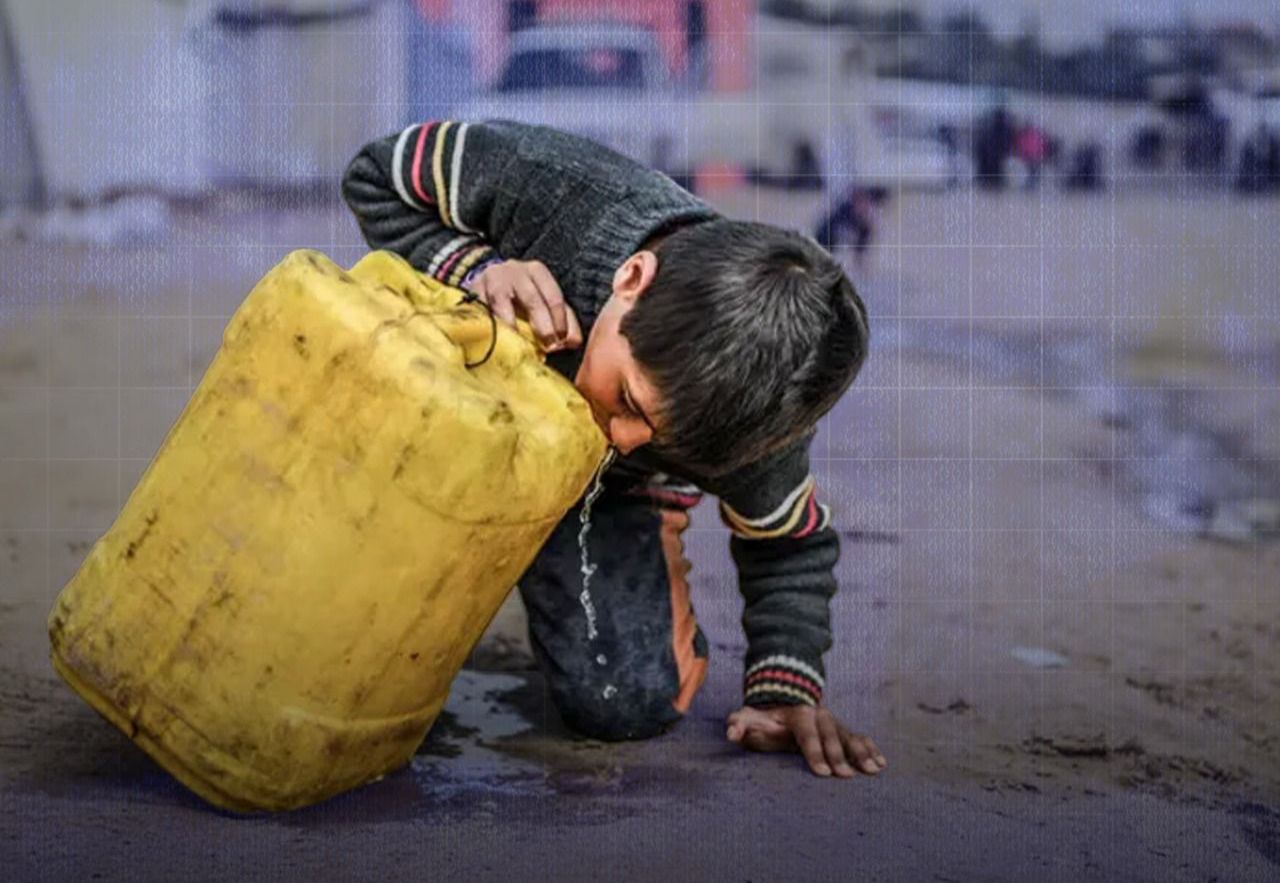
On a morning heavy with the humidity of the sea and the bitterness of thirst, Prime Minister Muhammad Shiaa al-Sudani arrived in Basra, coming to solve the water crisis. He immediately chaired the solution meetings, visited water stations, and toured the files and plans. He spoke with confidence about “practical steps” and “a strategic project to desalinate sea water,” and about “an agreement with Turkey” and “measures against transgressors,” but Basra, as every time, does not stop talking.
A familiar sight
In the governorate office hall, Al-Sudani stressed that “the problem of water scarcity is chronic,” and that “the treatment is not limited to immediate measures,” calling for “working in the spirit of one team,” but, at the same time, he announced that the government had transferred the desalination project to the local government of Basra, so that they could take “measures related to it.”
Here, specifically, the scene began to be repeated, the same scenario with every visit by a prime minister regarding the water crisis in Basra.
In Basra...the people do not drink data
Al-Sudani inspected the basins of the Al-Badaa Canal, and announced a strategic agreement with Turkey, but the point is in implementation. Will this visit be different, or will Basra add it to the archive of promises? No one knows yet, but the headlines are similar, and the only certainty is that the people of Basra do not drink from press releases.
At Al Abbas station...thirst persists
Among the stations that the Prime Minister visited was the “Maa al-Abbas” station, and this station is not just a name, but an open wound in the memory of Basranis.
In the Shiite tradition, Abbas bin Ali is the cupbearer of the thirsty in Karbala. He is the one who carried the waterskin and broke into the Euphrates River, not to drink, but to bring water back to the thirsty camp. But in Basra, and a distance from the Gulf, there is a station bearing his name that does not have the ability to save people from the salinity.
Will the Sudanese feel the weight of this meaning, and will he realize that the people in Basra are not asking for a miracle, but rather water befitting the name of Abbas? This water station, in its name, will bear witness to the Sudanese’s visit, and the Basrais are waiting for a solution.