
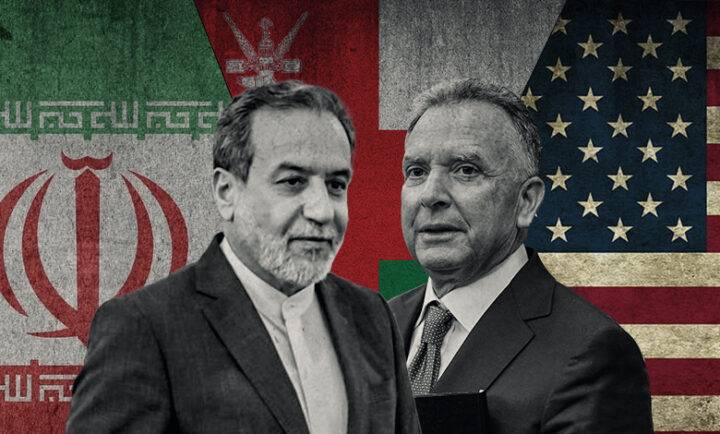
A new atmosphere of deep pessimism prevailed in the negotiations between the United States and Iran, after hopes declined before the end of the temporary ceasefire period and Iran re-closed the vital Strait of Hormuz to shipping traffic, an indication of the decline in the chances of reaching a comprehensive agreement to end the conflict and the escalation of tensions between the two parties.
In Washington, US President Donald Trump seemed angry at the steps taken by Iran to close the Strait, despite his talk a few days ago about the imminence of reaching an agreement that might put an end to the conflict in the region and reopen the vital Strait of Hormuz. According to Al Jazeera's correspondent in the American capital, high-level meetings took place in the White House days before the end of the ceasefire, which indicates the preparation of possible decisions related to the course of the negotiations.
Analysts believe that Trump's raising of his expectations and his public announcement of the terms of the potential agreement - including what was attributed to him that he would receive Iranian highly enriched uranium - created a state of uncertainty about the credibility of the negotiations and the parties' understanding of what is being negotiated, especially at a time when his advisors ignore the field reality on the ground.
According to experts and officials, one of the points that increased the complexity of the discussions was dealing with Washington's demands regarding the Iranian nuclear conflict, which some observers considered a violation of international law and an attack on Tehran's sovereignty. Analysts also pointed out that the US President seemed angry about the closure of the Strait of Hormuz after taking credit for opening it to shipping traffic, which further dried up the diplomatic atmosphere.
In addition to the direct tension between Washington and Tehran: